English
 中文简体
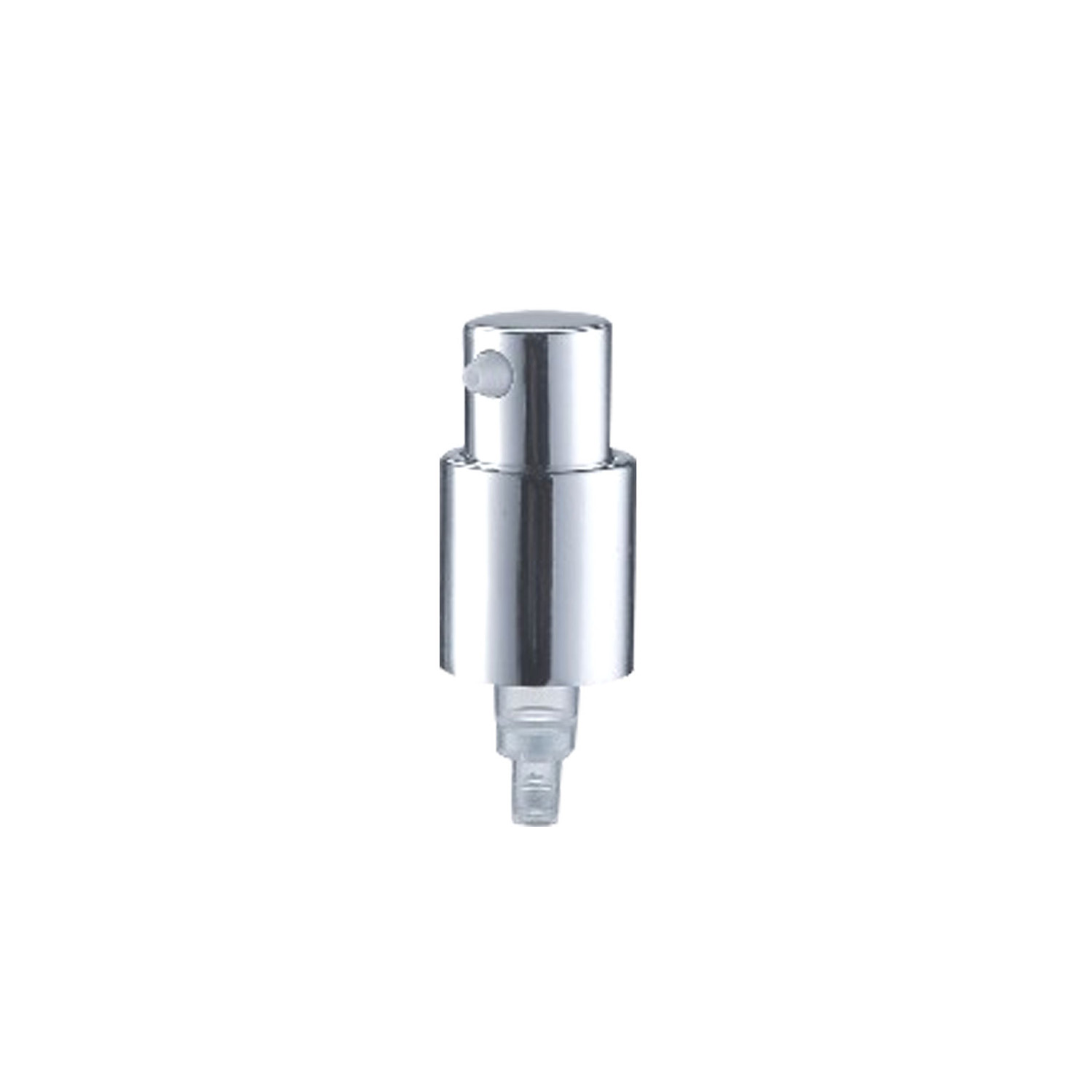
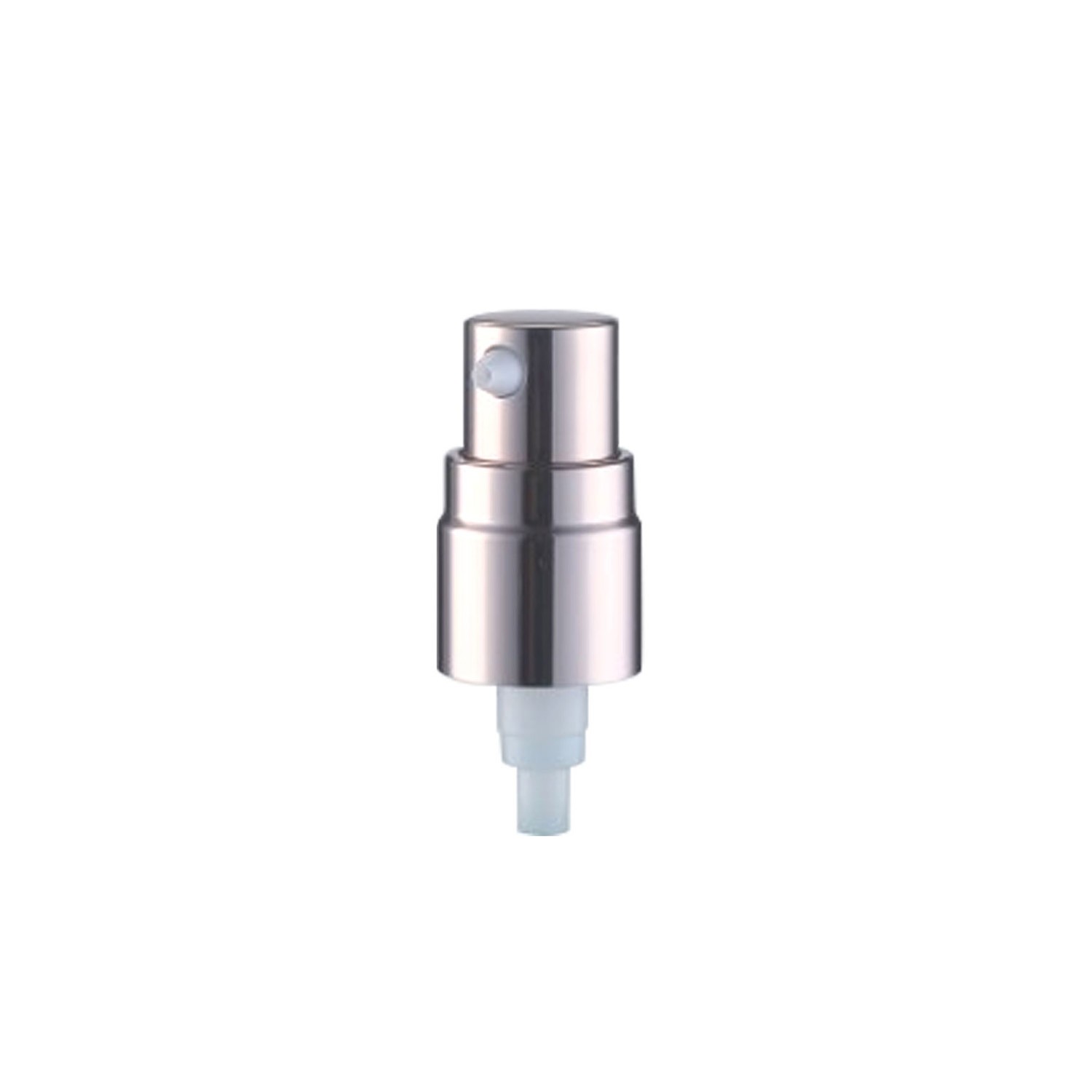
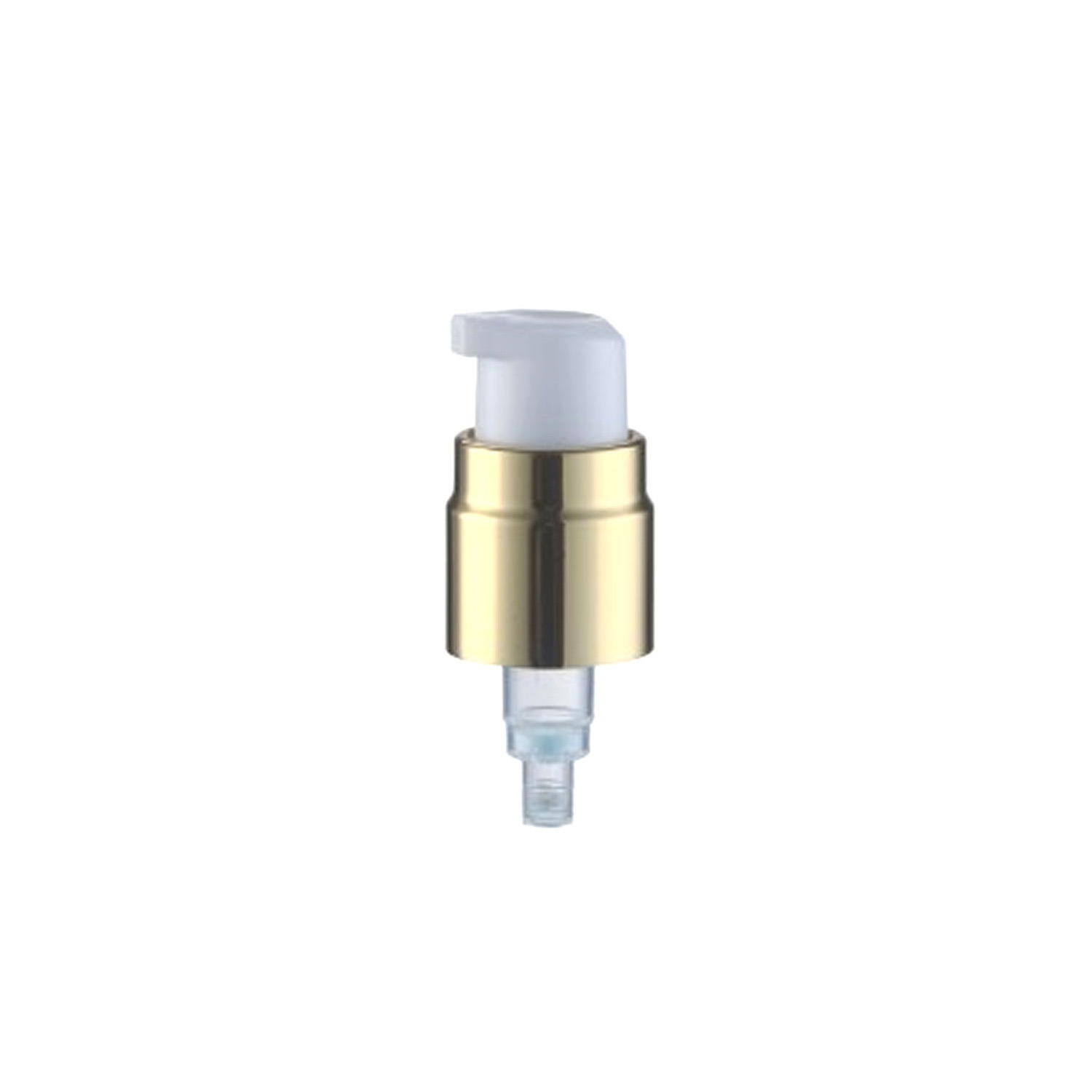
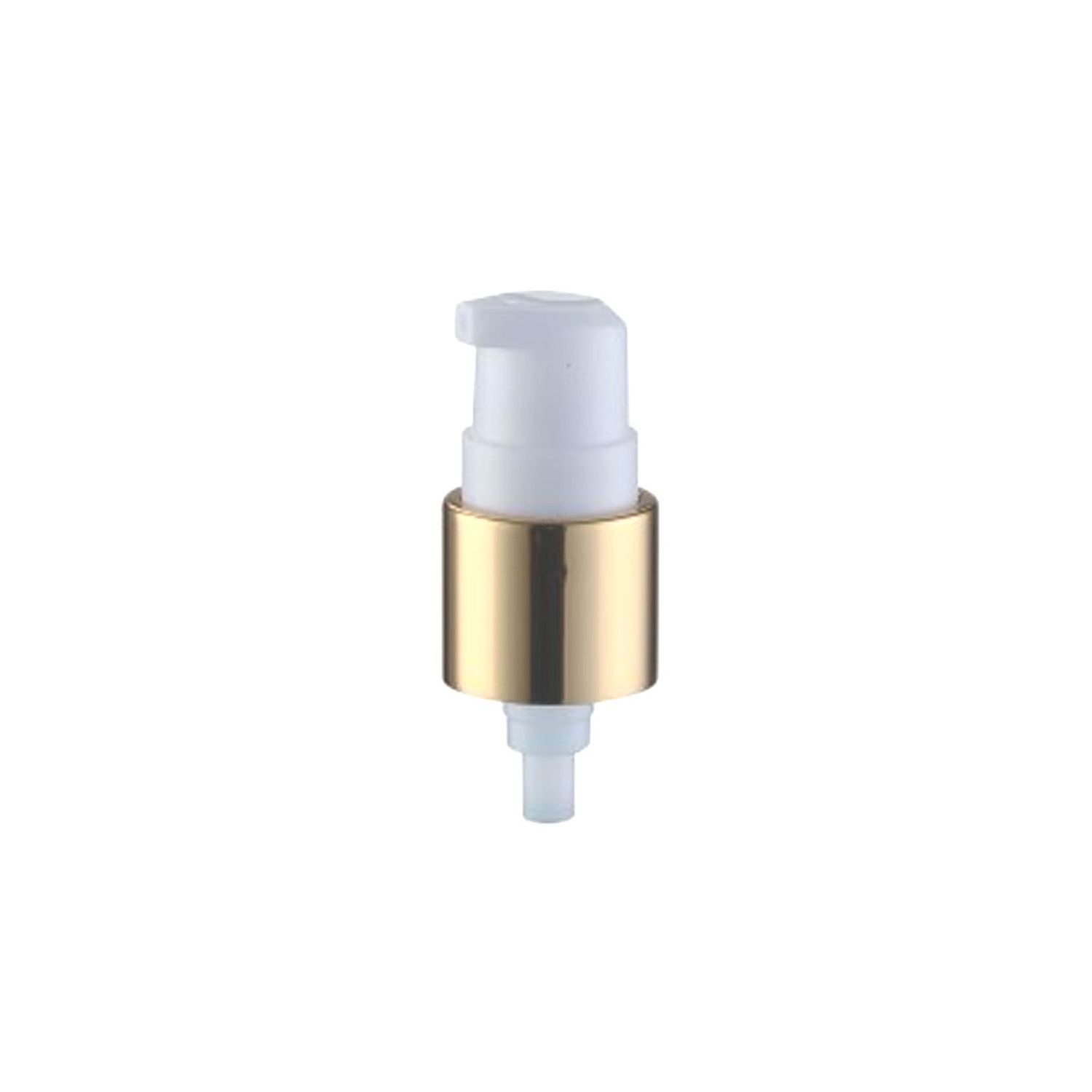
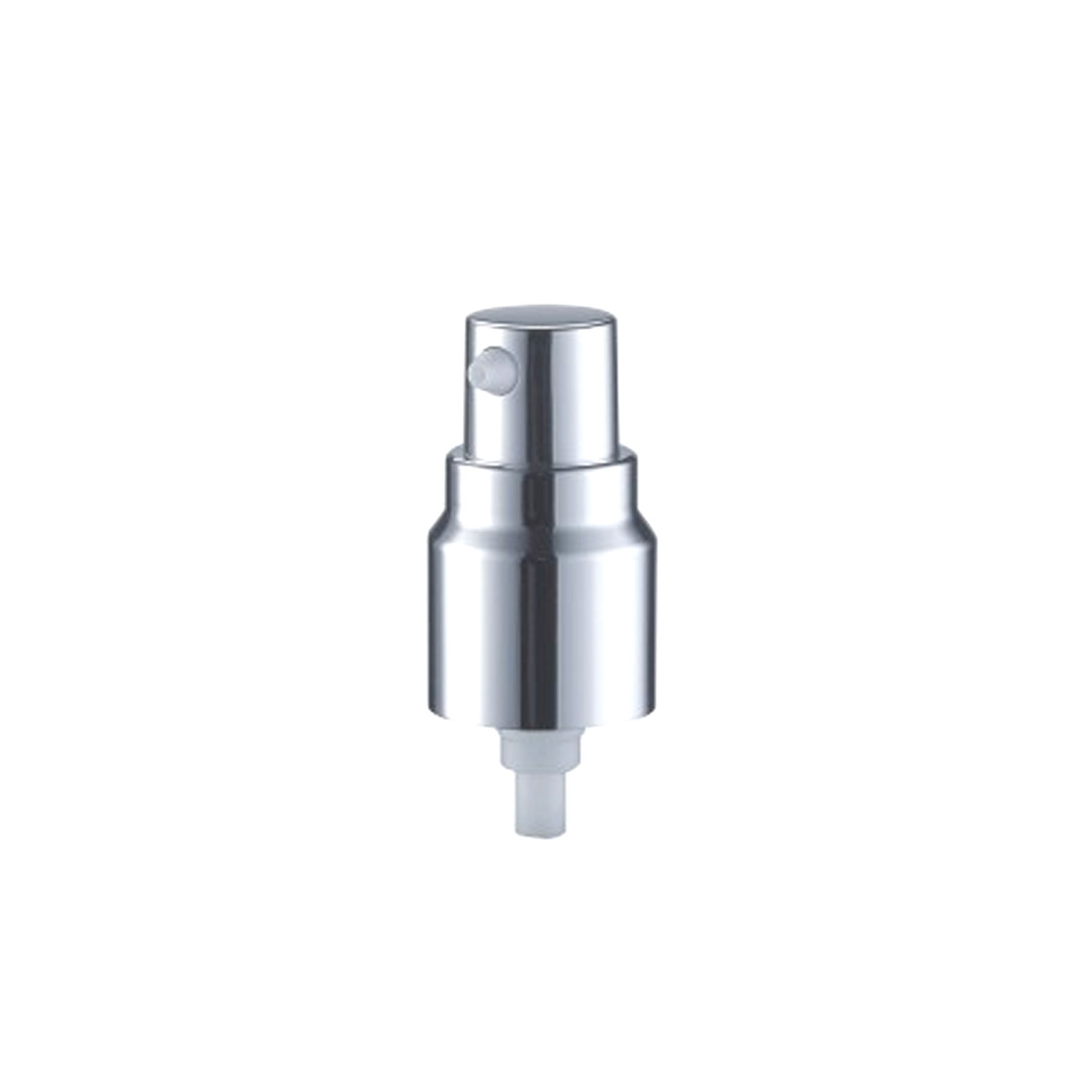
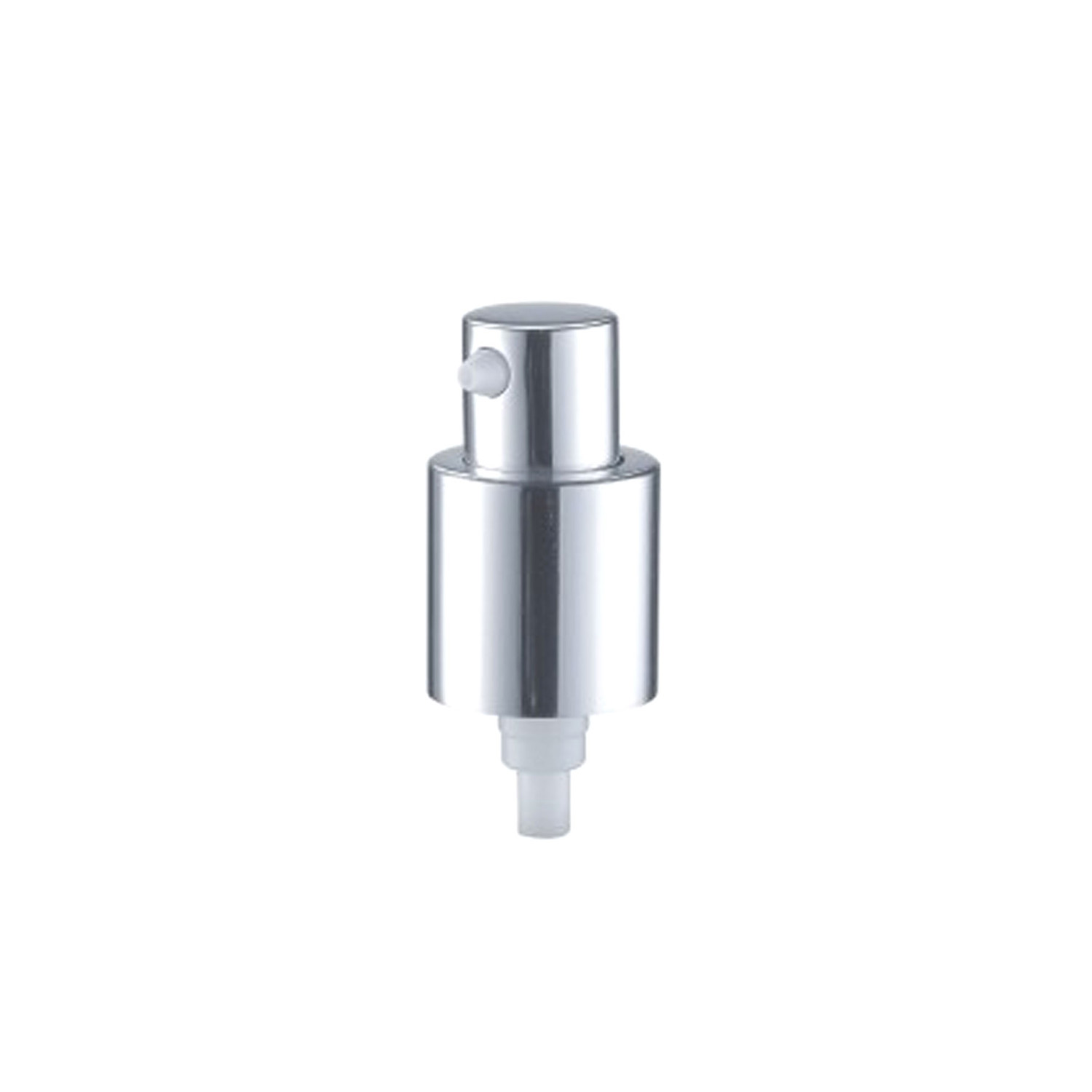
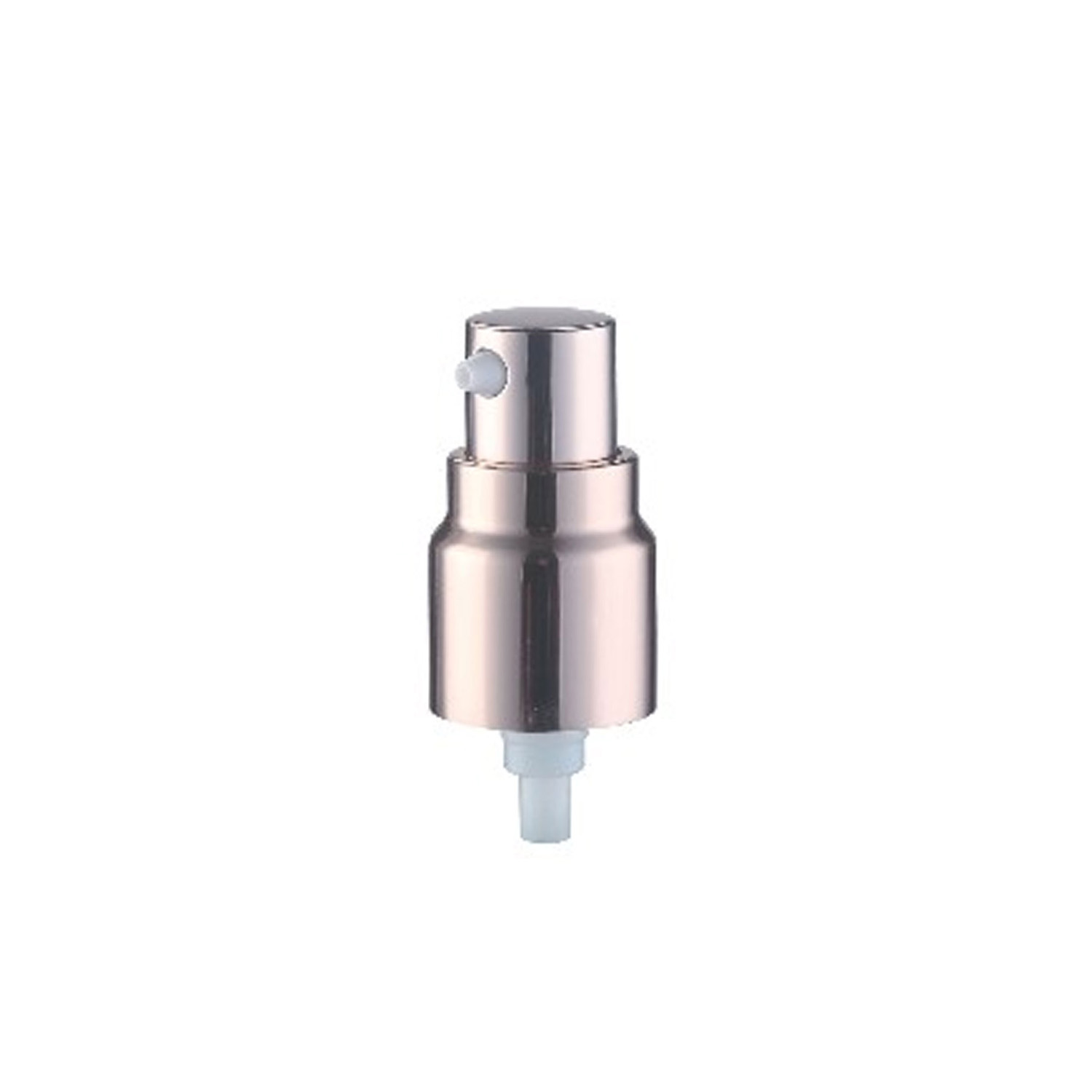
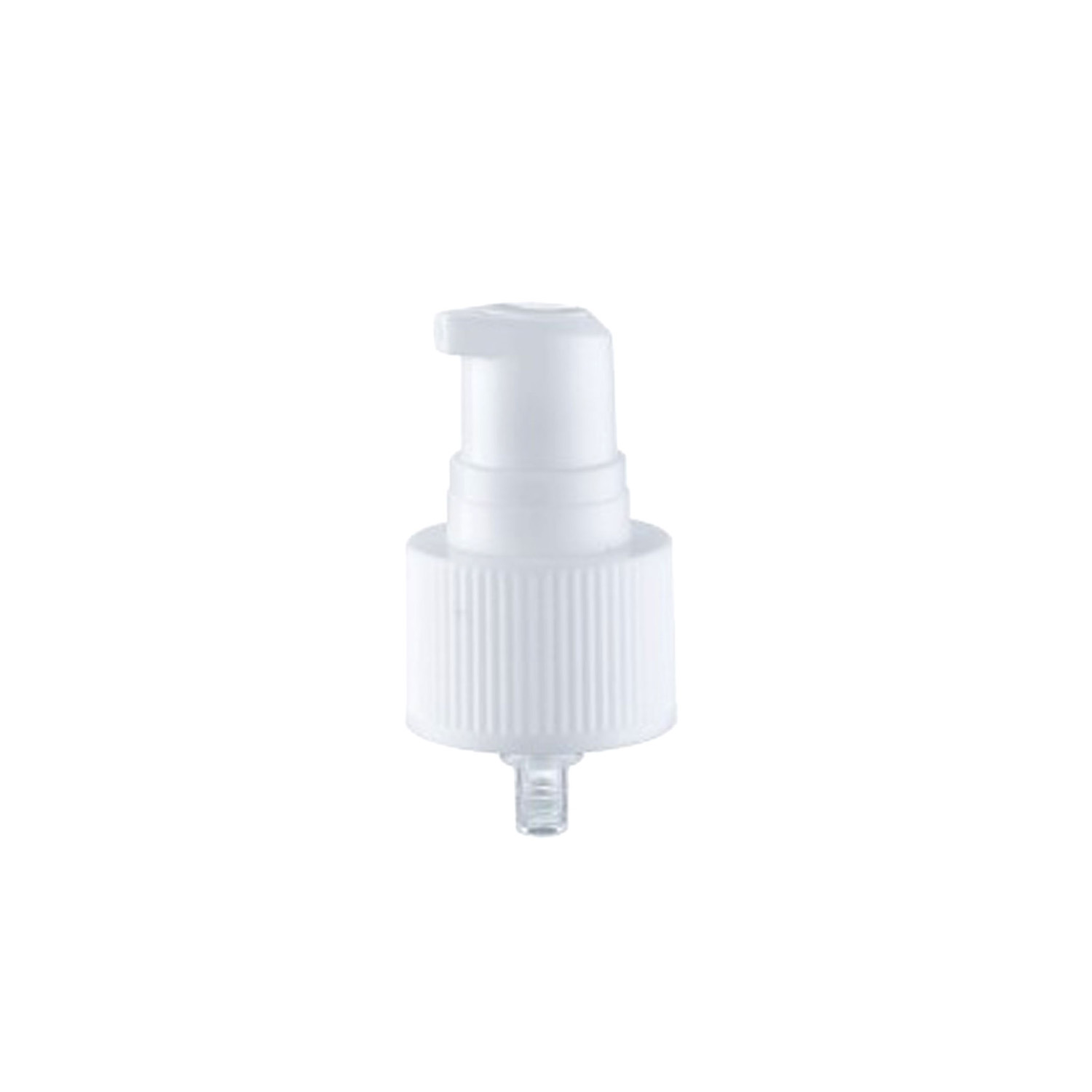
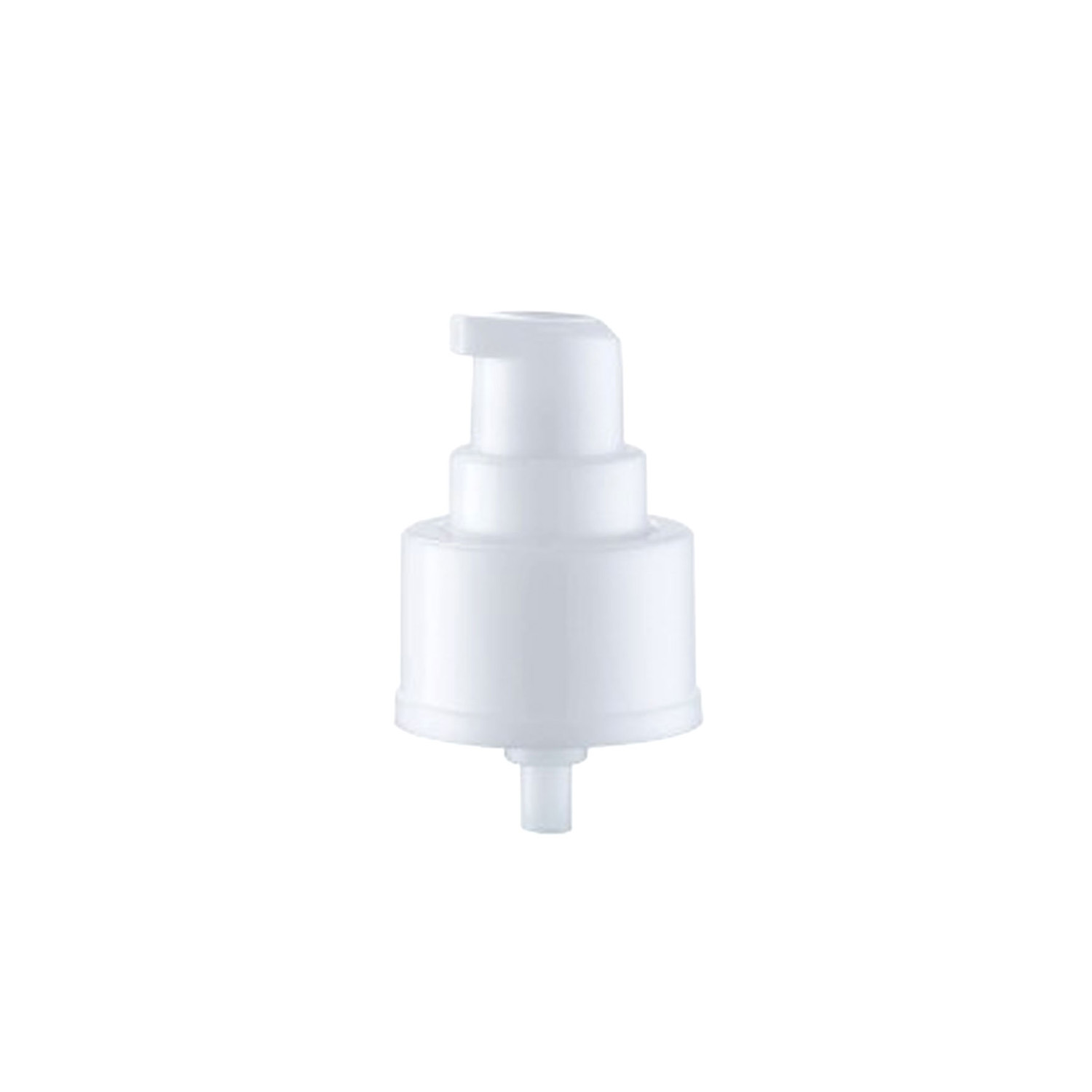
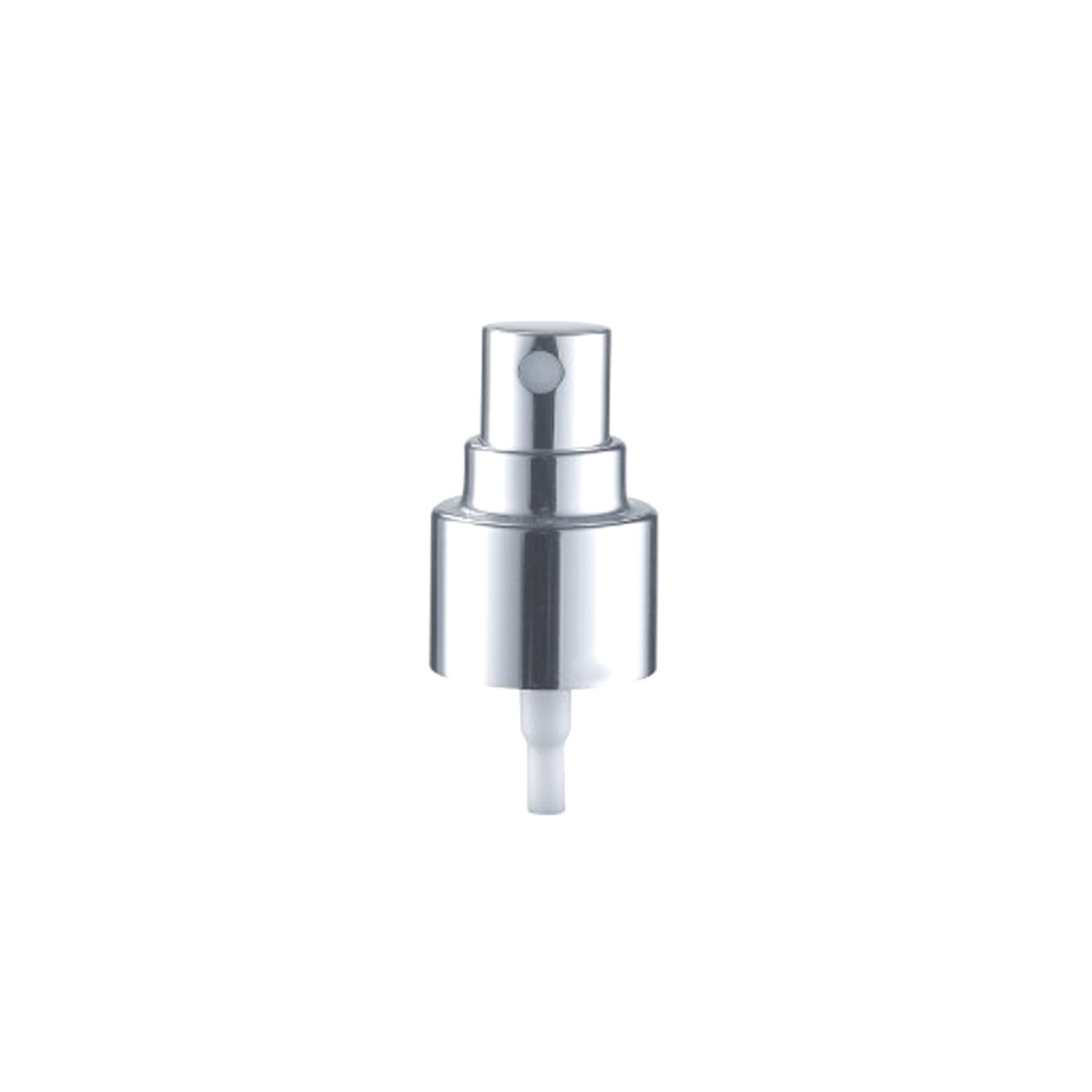
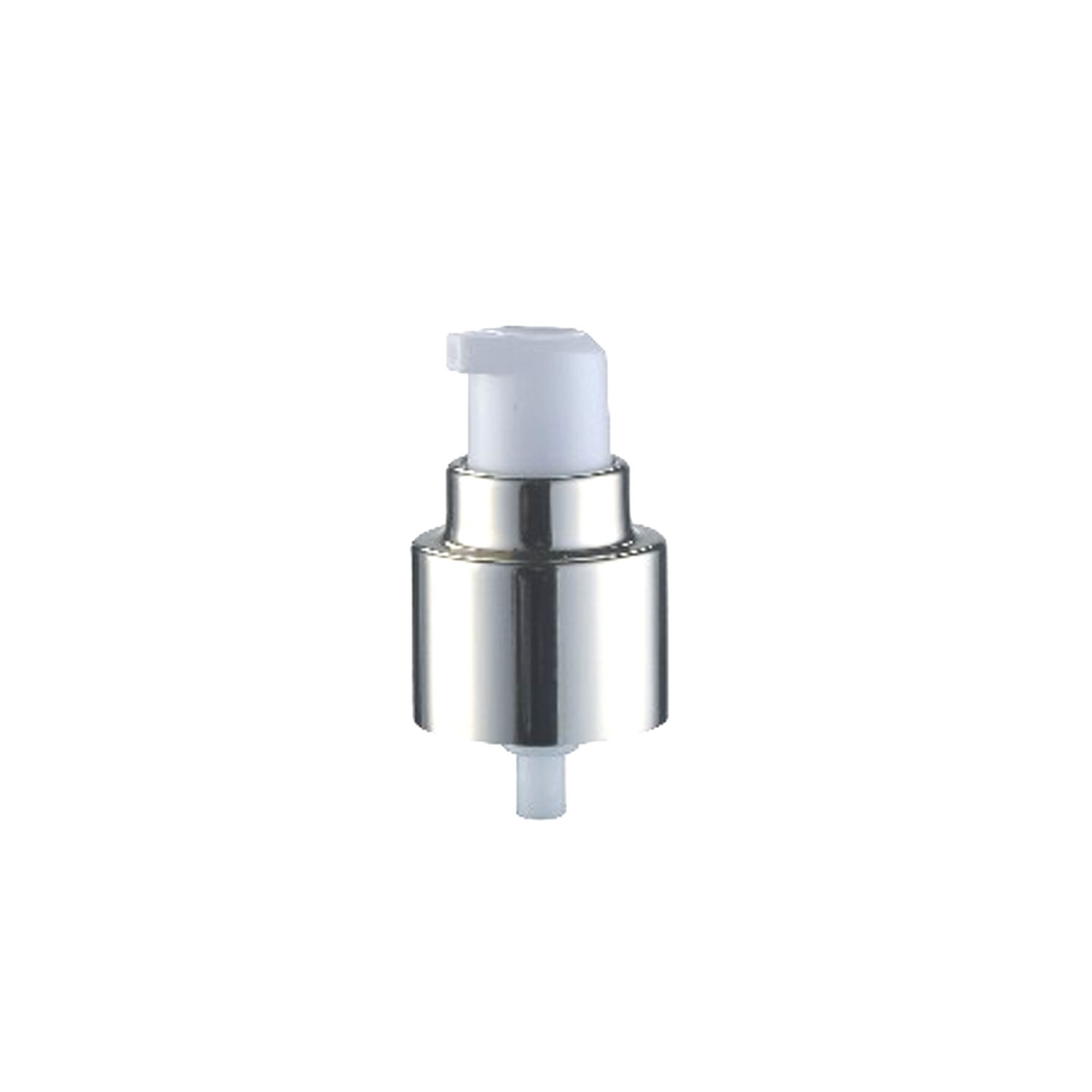
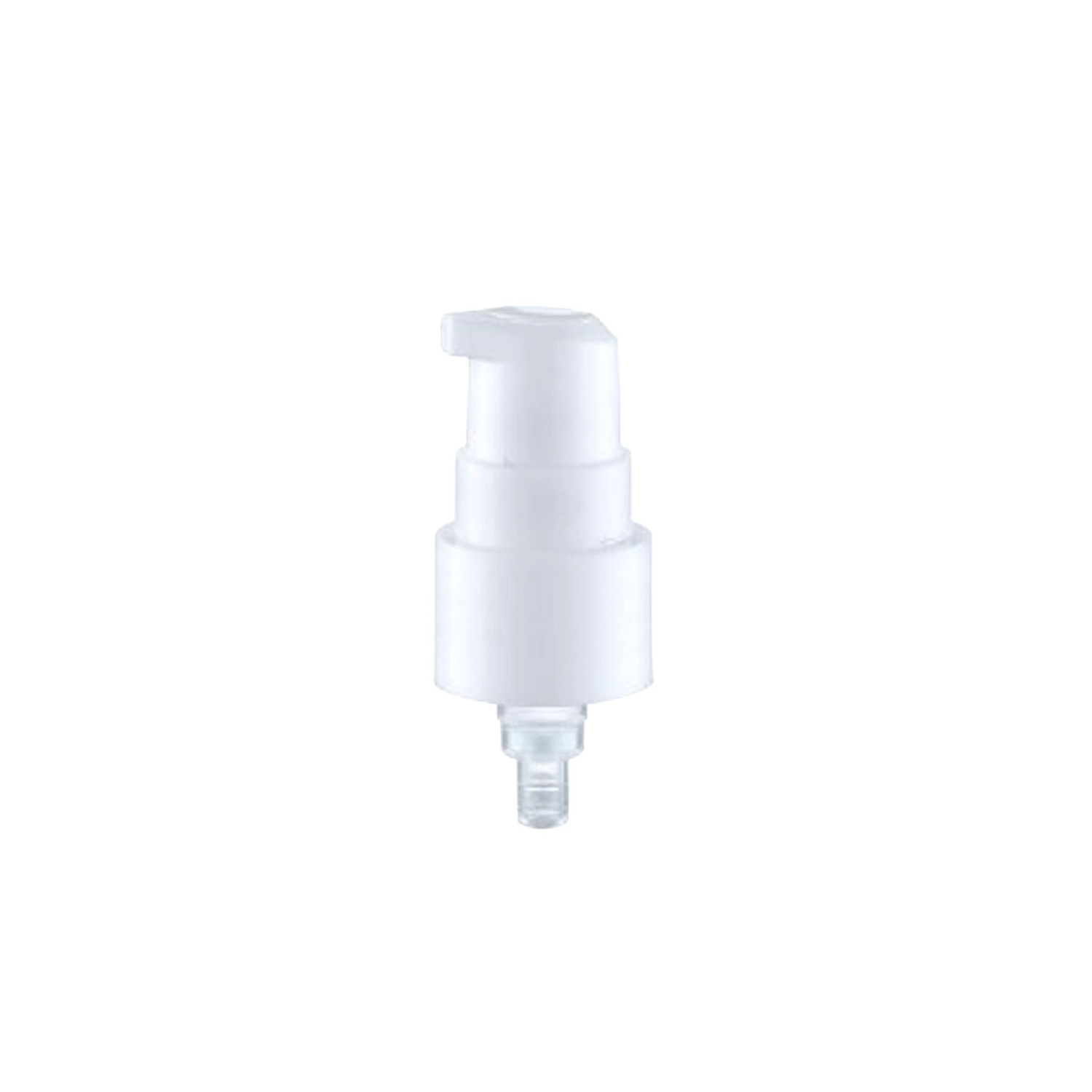
中文简体Vacuum pumps, lotion pumps, spray pumps, and a variety of options, are suitable for skin care, washing, and care in various areas of life.
Cosmetic Lotion Pump Custom
Industry knowledge
Vacuum pump, lotion pump, or spray pump — how do buyers choose?
"Lotion pump" is often used as a catch-all term, but the mechanism inside the collar matters more than the outer look. A vacuum pump draws the formula up without letting air back into the bottle, which suits products sensitive to oxidation. A standard lotion pump uses a piston and dip tube, well suited to thin-to-medium viscosity lotions and gels but less efficient once a formula gets very thick. A spray pump atomizes liquid rather than dispensing a dose, which fits toners and mists but not creams. Specifying the wrong mechanism for the formula's viscosity is one of the most common (and most expensive to fix post-tooling) sourcing mistakes.
Why does dose consistency matter more than it seems?
For skincare and personal care brands, the pump is effectively part of the product experience — an inconsistent stroke volume means customers either under-apply (poor results, refund complaints) or over-apply (the bottle runs out faster than expected, hurting perceived value). Buyers sourcing at scale should ask suppliers for stroke-volume tolerance data, not just a nominal dosage figure, especially for higher-viscosity lotions where pump performance varies more across a production run.
What should buyers evaluate before choosing a lotion pump supplier?
- Neck size & thread compatibility — does the pump collar match the bottle neck finish already chosen (or being sourced from the same or a different factory)?
- Viscosity range tested — has the pump been validated against formulas similar in thickness to the actual product, not just water-based test fluid?
- Application scope — since pumps of this type also serve washing and household care products, does the supplier distinguish cosmetic-grade tolerances from general household-grade specs?
- Component range — is there an existing library of pump sizes and stroke volumes to select from, or does every new dosage requirement mean new tooling?
How Shaoxing Jinsheng Plastic addresses these needs
Shaoxing Jinsheng Plastic's lotion pump range covers vacuum pumps, standard lotion pumps, and spray pumps across the JS-W series (JS-W-01 through JS-W-15 and beyond), suited to skin care, washing, and general personal care applications. With this many stock variants already tooled, buyers can typically match a pump to their formula's viscosity and dosage requirement from the existing range rather than starting a new mold project, with custom OEM/ODM development and low MOQ available when an off-the-shelf option doesn't fit.

-
PHONE:
+86-575-82779666
+86-575-82781818
+86-575-82775628 -
ADD :
NO.39 Chengdong Road , Lihai Street ,Yuecheng District ,Shaoxing , Zhejiang, China -
E-MAIL :
[email protected]
2023 Corporate Quality Integrity Report
2023 Corporate Social Responsibility Report
copyright© 2024 Shaoxing JinSheng Plastic Co., Ltd.all rights reserved
Cosmetic Lotion Pump Manufacturer Custom Cosmetic Lotion Pump Factory
Stay Informed